Everyday Money Movement Made Easier With UPI
UPI has changed the way many people handle everyday payments by allowing eligible bank-to-bank transfers through supported apps. It can be used for merchant payments, sending money to friends or family, paying supported bills and completing other routine transactions without entering bank details every time.
For users managing several financial activities digitally, payment tools may sit alongside services such as a personal loan calculator. However, UPI transactions and borrowing decisions serve very different purposes. UPI mainly supports movement of money already available in an eligible bank account, while a loan creates a future repayment obligation. Keeping those functions separate makes day-to-day money management clearer.
The practical value of UPI comes from combining speed with visibility. Transactions can happen quickly, but each payment should still be checked carefully before it is authorised.
Daily Payments Become Easier To Organise
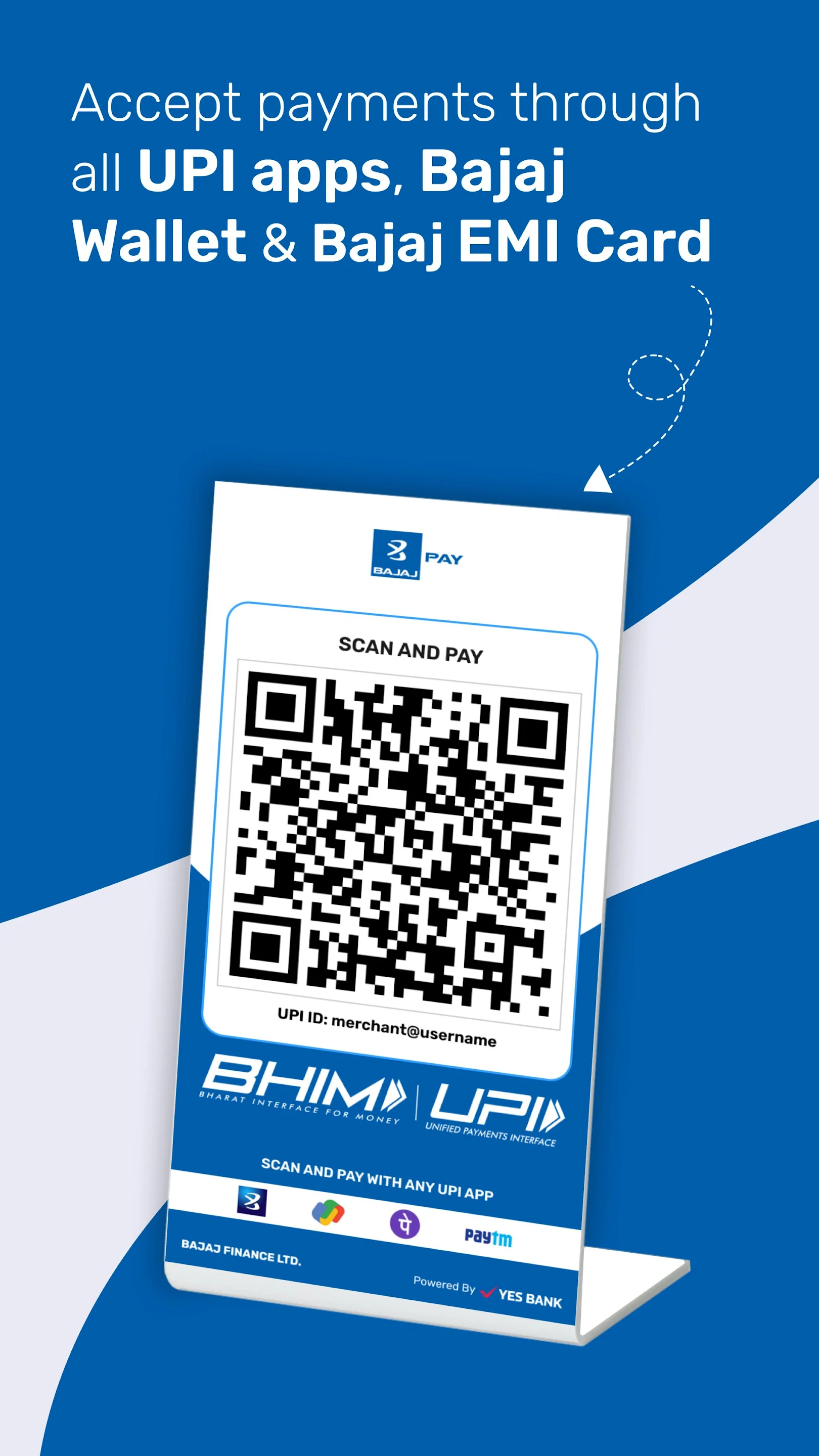
UPI can fit naturally into everyday spending because users may not need to carry cash or enter card details for every transaction. A local merchant, restaurant or service provider may accept payment through a QR code, while another person may receive money through a supported UPI identifier.
This convenience can reduce friction during small transactions, but it also makes spending easier to overlook. When several low-value payments happen throughout the day, the total can become significant by the end of the month.
Reviewing transaction history regularly helps users understand how much money is moving through UPI and where most of that spending is going.
Merchant Payments Need A Quick Verification Habit
A QR code can make payment almost immediate, but users should still pause before authorising the transaction. The merchant name displayed on the screen should match the business receiving the payment, and the amount should be checked carefully.
This becomes particularly important in crowded stores or locations where multiple QR codes may be visible. Paying quickly without looking at the recipient can result in money being sent to the wrong account.
The transaction should also be considered complete only after the app displays the final status. A payment screen closing does not automatically mean the merchant received the funds successfully.
Personal Transfers Require The Same Level Of Care
Sending money to friends or family through UPI may feel familiar, especially when the recipient is already saved in the app. Even then, it is useful to confirm the name and amount before proceeding.
For a new recipient, extra caution can prevent errors. Similar contact names or incorrectly entered identifiers can create confusion, especially when larger amounts are involved.
A short verification before payment usually takes less time than trying to resolve a mistaken transfer later.
Payment Requests Should Not Be Approved Automatically
UPI may allow users or merchants to send collect requests. These requests should be treated differently from incoming money.
A collect request generally asks the recipient to authorise an outgoing payment. If the request is unexpected, the user should first understand who sent it and why.
Entering a UPI PIN should never be treated as a routine step simply because a message claims money is waiting to be received. Authentication should happen only when the user understands and intends to complete the transaction.
Transaction History Can Support Better Budgeting
UPI records can reveal spending patterns that may be difficult to notice in real time. A ₹150 payment may feel insignificant, but similar transactions repeated throughout the week can have a noticeable effect on monthly cash flow.
Looking back at transaction history can help identify frequent spending on food delivery, local travel, subscriptions or small merchant purchases.
This does not require complex budgeting software. Even a short weekly review can show whether everyday spending is staying within expectations.
Shared Expenses Become Easier To Settle
UPI can be useful when several people share an expense. Restaurant bills, travel costs, household purchases or event expenses can be divided without exchanging cash.
The main challenge is keeping track of who has already paid. Transaction records can help confirm whether a transfer has been completed and reduce duplicate settlements.
Where supported, adding a short note to the payment may also make future review easier, especially when several transfers of similar amounts appear in the same week.
Pending Transactions Need Patience
A pending transaction can create uncertainty because the money may appear to have left the account while the recipient has not yet received confirmation.
The best response is to check the transaction status rather than immediately repeating the payment. A pending transaction may later become successful, and a second payment could result in an accidental duplicate.
The transaction reference should be kept until the issue is resolved. This information may be useful if the user needs to check the status through the relevant bank or payment provider.
Failed Payments Need A Separate Check
A failed payment does not always mean that no money was deducted. Users should review the linked bank account before trying again.
If no debit occurred, another attempt may be appropriate. If money was deducted, the user should monitor the reversal or final transaction status before paying again.
This simple distinction helps keep records accurate and prevents unnecessary repeat payments.
Online Shopping Needs Merchant Confirmation
UPI can also be used during online checkout, depending on the merchant and supported payment flow. The user may be asked to enter a UPI ID or approve a request through the payment app.
Before authorising, confirm that the merchant name and amount match the purchase. Unexpected requests that appear outside the official checkout process should be treated cautiously.
If the order page shows a failed payment but the bank account has been debited, both the merchant order status and UPI transaction status should be checked before another payment is attempted.
Multiple Bank Accounts Need Clear Selection
Some UPI apps may allow users to connect more than one eligible bank account. This can be useful when different accounts serve different purposes.
One account may be used for household expenses while another is reserved for personal spending or savings. Before every transaction, users should check which account is selected.
Paying from the wrong account may not create a transaction error, but it can disrupt monthly budgeting or leave insufficient funds for another scheduled payment.
Security Depends On Simple Habits
UPI is convenient, but users still need to protect their financial credentials. The UPI PIN, OTPs and banking passwords should remain private and should never be shared with unknown individuals.
Users should also avoid installing remote-access software or sharing their screen at the request of someone claiming to offer payment support.
If help is required, the safest route is to use official support channels within the app, bank or payment service.
Urgent Messages Deserve More Verification
Fraudulent messages often use urgency to encourage quick action. A user may receive a message claiming that an account will be blocked, a refund is waiting or verification is required immediately.
Instead of using the link in the message, users should open the official app independently and check whether the same information appears there.
A legitimate issue should normally be verifiable through an authorised channel. Urgency should increase caution rather than reduce it.
Keep UPI Spending Separate From Credit Decisions
One of the biggest advantages of UPI is that it can make everyday transactions almost frictionless. That same convenience can sometimes make users less aware of how often money is being spent.
It is therefore useful to separate routine payment behaviour from borrowing decisions. A shortfall in the monthly budget should not automatically lead to taking credit simply because digital borrowing options are easy to access.
If regular expenses repeatedly exceed available income, the underlying spending pattern deserves review before additional debt is considered.
A Weekly Check Can Keep Digital Payments Under Control
A brief weekly review can help users identify unresolved transactions, duplicate payments or unfamiliar activity.
It can also show whether discretionary spending is rising faster than expected. Because UPI transactions are recorded digitally, the information needed for this review is often already available within the payment history.
Regular review makes UPI more useful as a money-management tool rather than only a payment mechanism.
Conclusion
UPI can make everyday payments faster and easier by supporting eligible transfers, merchant purchases and other supported transactions directly through linked bank accounts. Its real value comes from combining convenience with clear transaction records and simple verification habits.
Users should confirm recipients, check payment status, protect their UPI PIN and review transaction history regularly. Pending or failed payments should be handled carefully rather than repeated immediately, and unfamiliar collect requests should never be approved without verification.
If a separate financial need eventually leads someone to consider a Personal Loan, that borrowing decision should be evaluated independently based on interest, charges, repayment capacity and actual need rather than being treated as an extension of routine UPI spending.