Indian Stock Trading App Features For Confident Stock Trading
Stock market investing has become more accessible in India with the growth of digital trading platforms. Investors can now monitor market movements, place orders, review portfolios, and access financial information directly from their smartphones. Choosing the right Stock Trading App can make these activities easier to manage, particularly for people who want to trade while balancing work and other responsibilities.
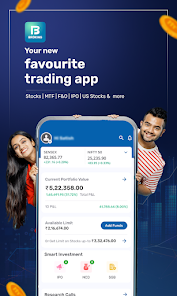
An effective Online Trading App should offer more than a simple interface for buying and selling shares. It should provide reliable market information, transparent charges, useful research tools, account security, and access to relevant trading features. These facilities can help users understand their options and make decisions based on their financial goals and risk tolerance.
However, no app can guarantee profits or eliminate market risk. Before selecting a platform, it is important to understand its features and assess whether they suit your trading experience, preferred investment products, and budget.
What Is an Indian Stock Trading App?
An Indian Stock Trading App is a digital platform that allows users to place orders and manage eligible investments through a registered stockbroker. Depending on the services offered, users may be able to trade equities, exchange-traded funds (ETFs), derivatives, and other permitted market instruments.
Most platforms connect with stock exchanges through the broker's trading infrastructure. Users can access market prices, view charts, monitor open orders, and check completed transactions.
How Does a Stock Trading App Work?
The process generally begins with opening a trading account and completing the required Know Your Customer (KYC) verification. Depending on the products you intend to trade, a Demat Account and additional permissions may also be necessary.
Once the account is active, you can add funds where required, select a security, enter an order, and review its status. Orders are executed according to market conditions, available liquidity, order type, and exchange rules.
After a trade, you can review the transaction details and related charges through the app or broker's reports.
Essential Features to Look for in a Stock Trading App
Not every trading platform provides the same tools. Comparing the features below can help you identify an app that fits your requirements.
- Real-Time Market Data
Market information helps traders understand price movements and changing market conditions. Look for an app that provides timely prices, market indices, trading volumes, and relevant company information.
Check whether the platform clearly identifies delayed data, if any. Reliable information is particularly important for users who monitor short-term price changes.
- Simple Order Placement
A well-designed interface should make it easy to search for a stock, review its details, and place an order. Important order options may include market orders, limit orders, and other supported order types.
Before confirming a transaction, the app should display the quantity, estimated order value, and relevant order details. This helps reduce mistakes caused by selecting the wrong stock or entering an incorrect quantity.
- Charts and Technical Indicators
Charts help users study historical price movements and trading patterns. Depending on the platform, tools may include candlestick charts, moving averages, volume indicators, and other technical indicators.
Beginners should learn how these tools work before relying on them. Technical indicators provide information for analysis, but they cannot predict future prices with certainty.
- Watchlists and Price Alerts
Watchlists allow users to track selected securities without searching for them repeatedly. Price alerts can notify users when a stock reaches a specified level or meets a supported condition.
These features can save time and help traders monitor opportunities. However, an alert is only a notification; it does not automatically make a trading decision unless a separately configured and supported order feature is used.
- Portfolio and Holdings Tracking
Portfolio tracking helps users review their investments, current valuations, and overall holdings. A useful platform should distinguish between holdings, open orders, completed trades, and available funds.
Some apps also provide profit-and-loss summaries and transaction histories. Reviewing these records regularly can help users understand their trading activity and identify areas that require closer attention.
How to Compare Online Trading App Charges
Trading costs can affect overall returns, especially for people who place frequent orders. Therefore, compare the complete fee structure rather than selecting an app solely because it advertises low brokerage.
Brokerage and Other Applicable Charges
Check the following costs before opening an account:
- Account-opening charges: A one-time fee, if applicable.
- Annual maintenance charges: Fees for maintaining a Demat Account.
- Brokerage: Charges for executing eligible transactions.
- Exchange transaction charges: Applicable charges associated with exchange transactions.
- Depository participant charges: Fees that may apply when securities are debited from a Demat Account.
- Taxes and statutory levies: Applicable taxes and regulatory charges.
The final amount depends on the broker, transaction type, order value, and current rules. Review the official tariff sheet to understand the actual costs.
Compare Plans Based on Your Trading Activity
A long-term investor may place fewer orders than an active trader. Someone who trades derivatives may also face a different cost structure from someone who buys delivery-based shares.
Estimate your likely trading frequency and compare the costs for your intended activity. Avoid selecting a plan based on assumptions about future trading profits.
Security and Account Protection
Security should be a priority when choosing an Online Trading App because the platform may provide access to personal information, account balances, and financial transactions.
Look for secure login methods, two-factor authentication where available, transaction alerts, and clear procedures for reporting suspicious activity.
Use a strong password and never share your password, PIN, or one-time password with anyone. Download apps through official sources and verify the broker's identity before submitting documents.
It is also important to check whether the broker is registered with the Securities and Exchange Board of India (SEBI) and whether the relevant market and depository services are properly authorised. Registration details should be verified through official sources.
Features That Help Beginners Get Started
People new to stock trading may benefit from educational resources, clear explanations, and accessible customer support.
Learning Resources and Market Information
Some platforms provide articles, tutorials, market explainers, company announcements, and educational videos. These resources can help users understand basic concepts such as order types, market indices, diversification, and risk management.
Educational content should be treated as a starting point for research rather than a guarantee that a particular trade will succeed.
Customer Support and Transaction Records
Look for accessible support channels and clear instructions for resolving login issues, failed orders, fund-transfer problems, and account-verification delays.
The platform should also make it possible to review contract notes, transaction statements, and other relevant records. These documents can help you verify trades and understand the charges applied to your account.
Common Mistakes to Avoid When Choosing a Trading App
Selecting an app without comparing its services can lead to unnecessary costs or difficulties. Avoid these common mistakes:
- Choosing a platform based only on promotional offers.
- Ignoring brokerage and other applicable charges.
- Using complex features without understanding their risks.
- Overlooking security settings and account alerts.
- Assuming that a fast interface guarantees successful trades.
- Following tips or alerts without conducting independent research.
- Trading with borrowed money without understanding the financial consequences.
Take time to explore the platform's features and read its terms before committing funds. If you are a beginner, start by learning the basics and understand the risks associated with each market segment.
Conclusion
Choosing the right Stock Trading App involves assessing market data, order placement, charting tools, portfolio tracking, account security, customer support, and total trading costs. These features can make it easier to manage transactions and review your trading activity.
A reliable Online Trading App should provide clear information, appropriate security measures, transparent charges, and tools suited to your experience level. Compare registered brokers carefully, verify their services through official sources, and select a platform that supports your trading requirements rather than relying only on advertisements.
Most importantly, remember that technology cannot remove the risks of investing. Learn how the market works, set realistic financial goals, and research securities before placing orders. By understanding the available features and using them responsibly, you can build a more informed approach to stock trading in India.